



Screw and Bolt Machining: A Guide
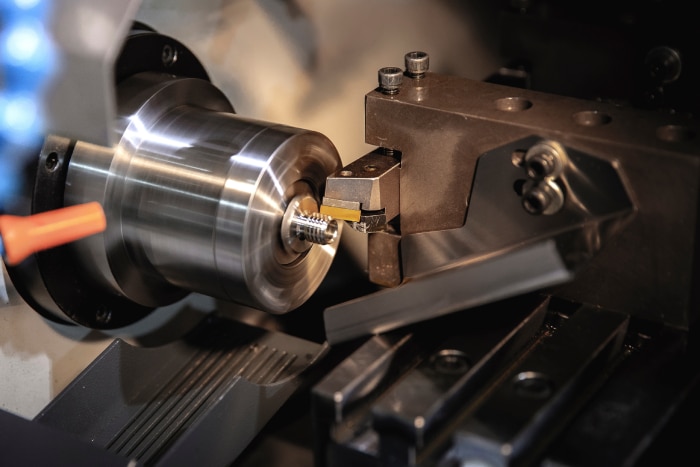
Screws and bolts are used for everything from completing complex assemblies and building machinery for industrial processes to the structural elements of the facilities themselves. At Associated Fastening Products, we manufacture a wide range of screws and bolts to fit the demands of thousands of different applications across industries. Below, learn more about the machining processes behind screw and bolt production and how to select the right specifics for your needs.
What Is Screw and Bolt Machining?
Screws and bolt machining is a manufacturing process for producing screws, bolts, and other fasteners. Modern manufacturing uses automated equipment, such as CNC machining centers, to incorporate multiple cutting and shaping techniques with repeatable accuracy. CNC machining can transform bar stock made from different metals into cylinders with complex shapes before cutting the fastener shafts to the proper length.
How Machined Screws and Bolts Are Used in Industrial Applications
Many different sectors use machined screws and bolts to join assembly components together. Applications can range from small electronics assemblies to heavy-duty equipment. Industrial applications include structural use cases, with screws and bolts being used in construction.
Bolts are heavier-duty and can join larger or heavier components together with the help of fastening components like nuts that help tighten the parts flush against each other.
Production Volume and Part Consistency
Machining is an automated process that reduces the risks of errors, poor shaping, noncompliance with national and international standards, and other manufacturing flaws. Medical cnc screw machining supports high accuracy, making it possible to manufacture medical fasteners at a consistent production rate.
Machining processes can also produce thousands of components quickly, reducing reliance on manual labor and meeting demand cost-effectively.
Common Bolt Machining Processes
Bolts and screws require multiple machining processes to transform from bar stock into individual fasteners. Some of the most common bolt machining processes are:
- Lathing
- Milling
- Thread rolling
- Cutting
Automated screw machining equipment can use turret lathes or Swiss lathes (Swiss screw machines) to manage the forming the workpiece. These can shape the shaft so they have precise threads and dimensions. Other manufacturing processes include cold forming to make dies, hot forging, and post-forming treatments like plating to prepare the surface of the fastener for long-lasting performance.
Materials and Application Considerations
The industrial sector relies on thousands of different screw and bolt varieties, selecting different materials based on budgetary factors, performance needs, and the material characteristics of varying metal alloys.
Common Materials Used in Screw and Bolt Machining
Associated Fastening Products works with dozens of metals to produce standard and custom screws and bolts for different industrial applications. Some of the most common materials for screws and bolts are:
- Steel. Manufacturers choose carbon steel for its cost-effectiveness and strength, enhanced alloy steels for heavy-duty machinery, and stainless steel for food production and assemblies or devices that may be exposed to water.
- Aluminum. Aluminum is light, strong, and naturally corrosion-resistant.
- Copper alloys. Metals like brass and bronze are conductive, corrosion-resistant, and visually appealing.
Some fasteners are also made from plastics like nylon and PVC, which are lightweight and can be formulated for resistance to specific chemicals in specialty applications.
Selecting Materials Based on Performance Needs
We work with our industrial clients to recommend the right metal or non-metal materials for screws and bolts, depending on the unique needs of the application. Consider factors such as the following to choose a fastener material for the proper performance:
- Corrosion risk factors
- Cost
- Durability
- Environmental demands
- Weight
We can provide suitable fastener materials and types for agricultural, appliance, automotive, custom display, gun manufacturing, and home furnishing projects, among others.
Choose Precision Screw and Bolt Machining From Associated Fastening Products
Associated Fastening Products is a trusted manufacturer of extensive fasteners and fastening hardware for use across a range of industrial needs. We produce standard and custom screws and bolts using our in-house manufacturing and machining capabilities to deliver cost-effective, high-performance fasteners on time and within tight tolerances.
Contact us today to learn more about our capabilities or to request a quote.